
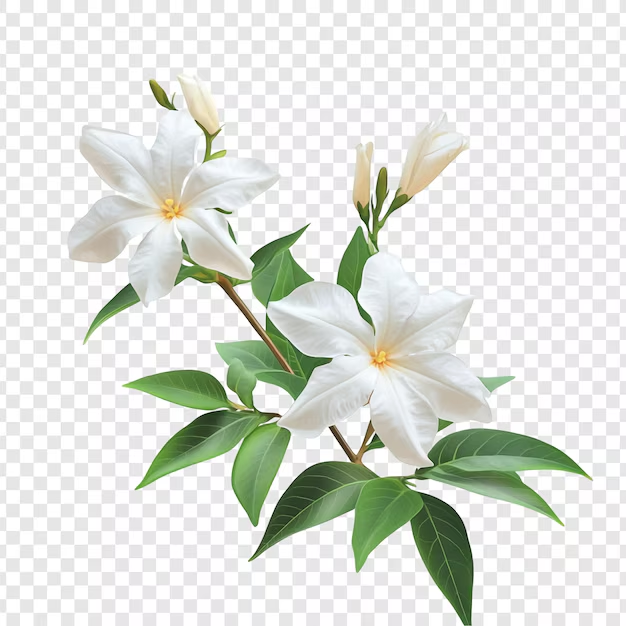
Wild jasmine (காட்டு மல்லிகை)
Maintenance Level
Low
Placements
outdoor
Toxic
No
Fragrance
Yes
Seasons
summer and early fall
Plant Height
3 to 6 feet
Water Frequency
Winter
Weekly twice
Summer
Daily
Fertilizer Frequency
Winter
Monthly twice
Summer
Monthly twice
Wild jasmine (also known as Jasminum species) refers to a variety of jasmine plants that grow naturally in wild environments, rather than being cultivated as garden plants. The genus Jasminum includes around 200 species of shrubs and vines, with some varieties being native to tropical and subtropical regions around the world. Wild jasmine plants are often found in Asia, Africa, and parts of Europe
<b>1.Sunlight: <br><br>Wild jasmine typically thrives in full sun (at least 6 hours of direct sunlight each day) <br> <b>2.soil: <br><br>Jasmine prefers well-draining soil. It can grow in a variety of soil types, but loamy or sandy soil is ideal<br> <b>3.watering: <br><br>Wild jasmine needs regular watering, especially during the hot summer months. However, ensure the soil doesn’t stay waterlogged
1.Skin care <br> 2.Aromatherapy
Dos
<b>1.Watering: <br><br>Keep the soil evenly moist, but not waterlogged. Water when the top inch of soil feels dry. During the winter months, you can reduce watering. <br> <b>2.sunlight: <br><br>Wild jasmine prefers bright, indirect sunlight but can tolerate some direct sunlight. If growing indoors, place them near a window with good light<br> <b>3.soil: <br><br>Jasmine thrives in well-drained, fertile soil. A slightly acidic to neutral pH is ideal<br> <b>4.fertilizing: <br><br>Feed your jasmine once a month during the growing season (spring to summer) with a balanced fertilizer. In the fall and winter, reduce fertilizing since the plant is dormant
Don'ts