
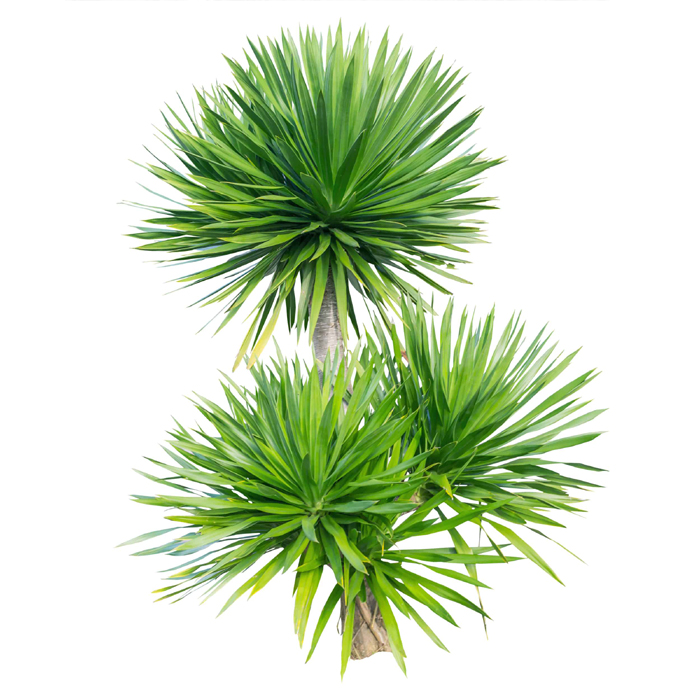
Dracaena Tree (Dracaena arborea)
Maintenance Level
Low
Placements
Indoor-outdoor shade
Toxic
Low
Fragrance
Yes
Seasons
All weathers
Plant Height
10ft to 15ft
Water Frequency
Winter
Weekly once
Summer
Daily
Fertilizer Frequency
Winter
2-3months
Summer
2-3months
The tree dracaena, or Dracaena arborea, is a species of Asparagaceae family flowering plant native to western and west-central wet tropical Africa. Numerous towns in Brazil and Africa employ it as a street tree. Arborea aletris Willd. Willd.'s Cordyline arborea
<b>Type of soil</b><br> Sandy and Well drained soils are needed<br> <b>Type of fertilizer</b><br> Balanced Liquid Fertilizer<br> Fast Growth Pattern<br> Pruning:Additionally, modest pruning maintains your plant at a height and form that complements your area.<br> Re-potting:Their demand for repotting shouldn't exceed that of every other spring.<br><br> <b>Process</b><br> 1.Your Dracaena Arborea should be planted in an area with lots of space for it to grow.<br> 2.When kept inside in a container, Dracaena frequently reaches heights of 7 to 8 feet.<br> 3.These plants reach heights of over 10 to 15 feet when grown outdoors.<br> 4.Arborea makes a visually pleasing plant that resembles a palm tree for use in homes and offices.<br> 5.The tall, lance-shaped, dark green leaves are borne on a smooth, wooden trunk.<br> 6.If all of the leaves on your plant fade, it can be receiving too much direct sunlight.<br> 7.Move your plant to a location that receives steady, bright indirect light.
Air purifier: One indoor plant that lowers indoor pollution levels is dracaena. Boost humidity: By releasing water vapor and raising the air's moisture content, the plant helps to relieve dry air conditions. Use as ornaments: These houseplants contribute to the interior design of homes.
Dos
Watering the Arborea cane is preferred when the top 2-3" of soil is dry. Keep a humidifier or mister handy because they love strong indirect light, warm temps (around 70–80°F), and moderate to high humidity.
Don'ts
Avoid positioning your Dracaena in an area where it will be exposed to direct sunlight as this might scorch the leaves and cause damage.